 Ultimate guide
Average Cost to Build Backyard Deck: 2026 Guide
Table of Contents
- What You'll Pay for a Backyard Deck
- Deck Material Cost Comparison: Wood vs. Composite
- Deck Labor Cost Per Square Foot Breakdown
- Factors That Drive Your Total Deck Cost
- How to Budget for a Deck Project
- Common Budget Mistakes and How to Avoid Them
- Frequently Asked Questions
Last Updated: September 25, 2026
What You'll Pay for a Backyard Deck
The average cost to build backyard deck varies significantly based on materials, labor, and local factors. At J Schick & Sons Decks, we help homeowners navigate these decisions by breaking down exactly where money goes in a deck project.
The biggest mistake people make is underestimating hidden costs like permits, inspections, site preparation, and contractor overhead. Understanding each cost category prevents surprises mid-project and helps you make smarter material choices.
Your total investment depends on square footage, materials, design complexity, and local labor rates. A simple ground-level deck costs significantly less than a multi-level structure with railings, stairs, and built-in features.
Deck Material Cost Comparison: Wood vs. Composite
The material you choose drives both upfront costs and long-term maintenance expenses over 10-20 years.
Pressure-Treated Lumber
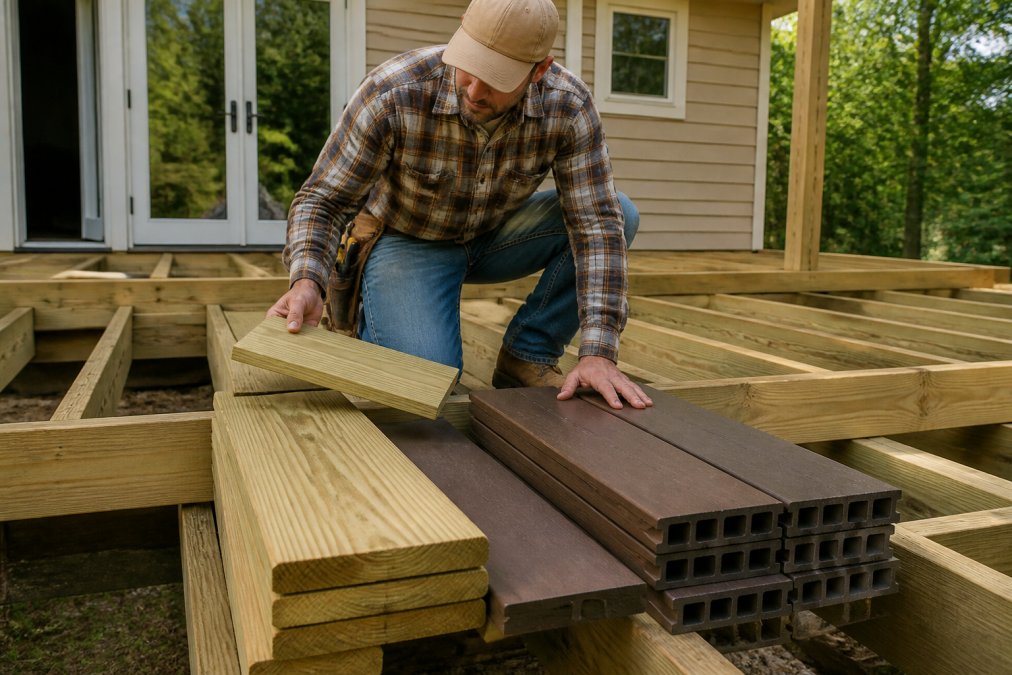
Pressure-treated wood remains the most budget-friendly option. This chemically treated lumber resists rot and insect damage, enabling it to withstand moisture and ground contact.
Pressure-treated lumber costs less per square foot than composite alternatives but requires staining and sealing every 2-3 years to prevent weathering and structural compromise.
Pressure-treated lumber's lifespan depends heavily on maintenance. A well-maintained deck lasts 15-20 years; a neglected one deteriorates much faster. Your true cost includes both material and ongoing upkeep.
Composite Decking
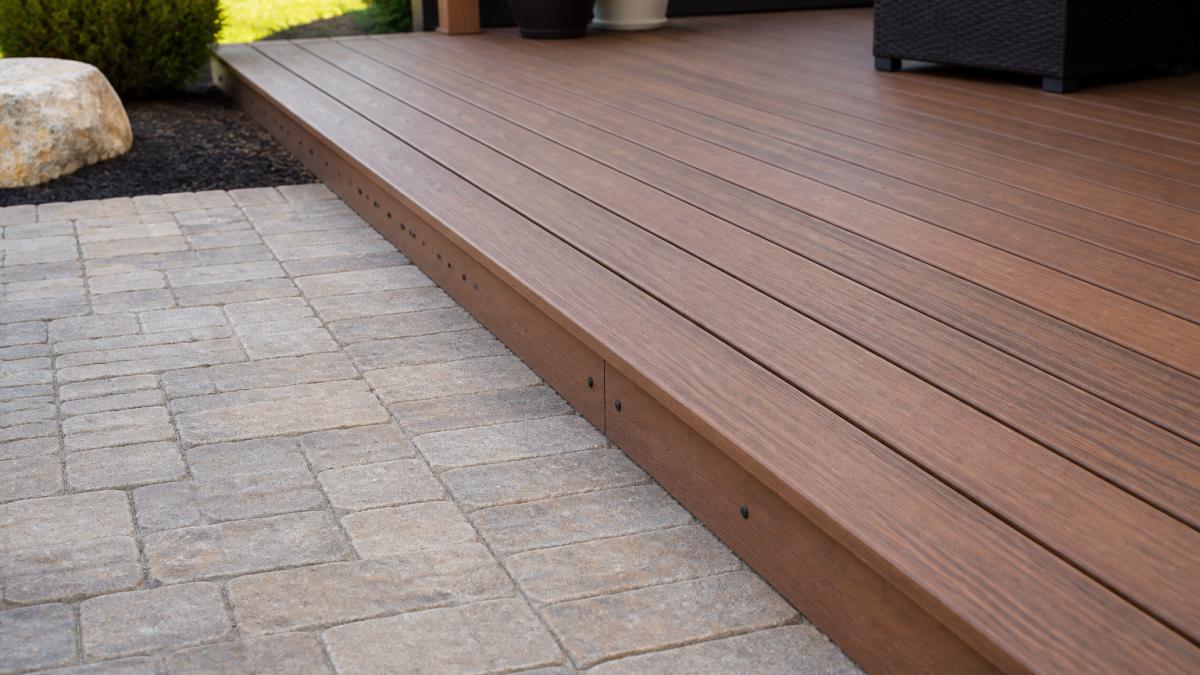
Composite decking combines wood fibers with plastic binders to resist rot, insects, and weathering without staining or sealing, eliminating recurring maintenance costs.
Composite costs more initially, but that premium shrinks over 20 years when you factor in maintenance. For homeowners who value their time, composite delivers real value despite higher upfront cost.
Composite decking comes in various grades. Premium brands offer better color retention and durability; budget-friendly options may show visible wear sooner.
Deck Labor Cost Per Square Foot Breakdown
Labor represents the largest single expense, typically 40-60% of total cost. A skilled contractor charges for demolition, site preparation, framing, decking installation, railings, stairs, and finishing work.
Labor costs vary significantly by region. These differences reflect local labor supply, cost of living, and market demand.
Contractors typically quote using one of two models:
Per-Square-Foot Pricing: The contractor provides a single rate covering all labor from demolition through final inspection. This model is straightforward but may not account for site-specific complexity like challenging access or extensive site prep.
Hourly Rates Plus Materials: The contractor charges an hourly rate plus material costs. This protects the contractor if unexpected conditions arise but creates uncertainty for the homeowner.
Breaking down labor by phase helps you understand where time and cost concentrate:
-
Demolition and Site Prep (10-15% of labor cost): Removing an old deck, excavating for footings, and grading. This phase is often underestimated but essential for proper foundation work.
-
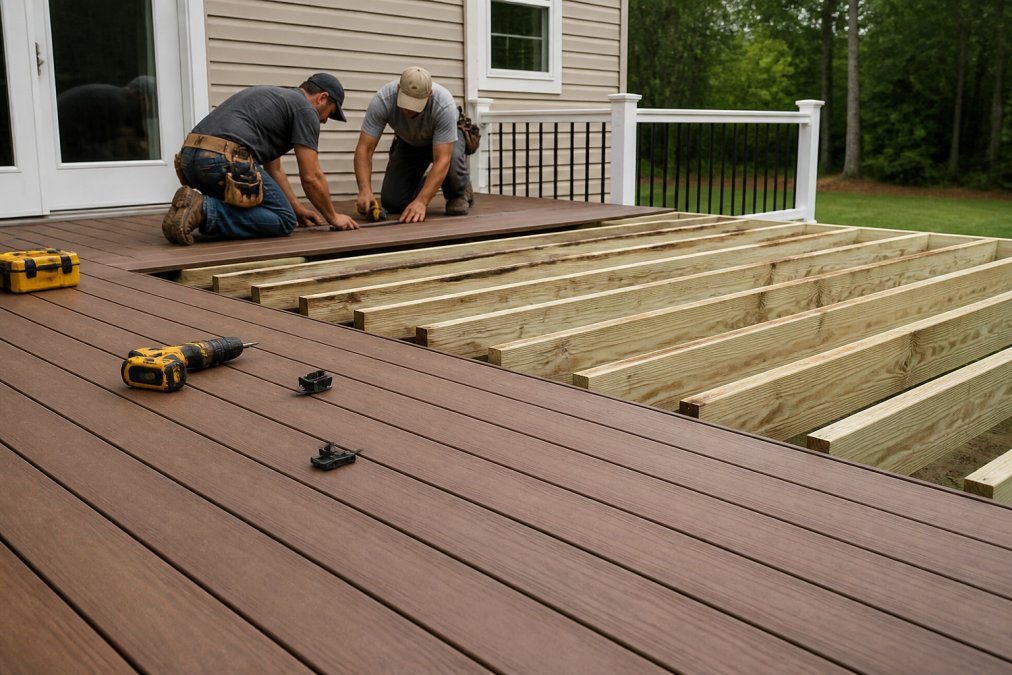
Foundation and Framing (40-50% of labor cost): Digging post holes to frost line depth, setting concrete piers, and framing joists and beams. This most labor-intensive phase determines structural integrity and requires proper ledger board flashing to prevent water intrusion.
-
Decking Installation (20-25% of labor cost): Laying boards, fastening, and ensuring proper spacing for expansion. Composite installation often takes longer due to heavier boards and different fastening techniques.
-
Railings, Stairs, and Trim (15-20% of labor cost): Installing balusters, stair stringers, and finish carpentry. This demands higher precision and skill than structural framing.
Site conditions directly impact labor costs. A deck on level terrain costs less than one on a slope or in a tight backyard with limited equipment access. Contractors may charge premium rates for difficult access or equipment rental.
Experience level matters significantly. Ask how many deck projects each contractor completes annually and request references from similar projects.
Site preparation often gets underestimated. Removing old decking, excavating for footings, and grading adds labor hours essential for structural integrity and prevents sagging and alignment issues.
Factors That Drive Your Total Deck Cost
Your total investment depends on decisions that cascade through the entire project. Making informed choices about size, design, and structural requirements prevents costly changes later.
Size and Design Complexity
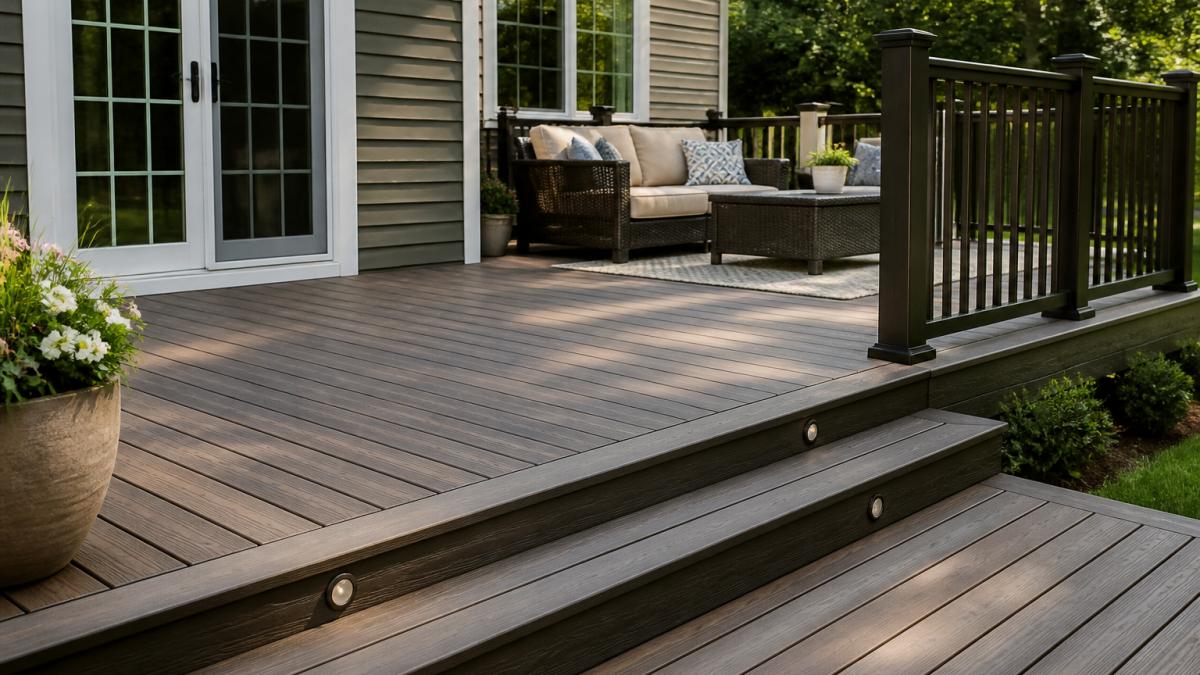
A simple rectangular deck costs significantly less than an irregular shape with multiple levels, built-in seating, or integrated landscaping. Each additional feature, a pergola, fire pit surround, or lighting system, adds labor and materials. Ground-level decks cost less than elevated structures because they require less extensive framing and fewer footings.
Design complexity affects both material waste and labor hours. A contractor can frame a straightforward 12-by-16-foot deck efficiently. An L-shaped deck with varied heights and angles requires more planning, custom cuts, and problem-solving. The complexity multiplies when you add stairs, railings, and transitions to other outdoor features.
Deck size alone determines material quantity and labor duration.
Foundation, Framing, and Structural Requirements
The foundation determines whether your deck lasts 10 years or 25 years. Proper footings prevent frost heave, settling, and structural failure. Concrete piers should extend below the frost line, a depth that varies by region. Inadequate footings cause decks to shift, settle unevenly, and develop dangerous gaps.
Permits, Inspections, and Building Code Compliance
Most jurisdictions require permits for deck construction. Permit costs vary by location and deck size, but they're non-negotiable expenses. The permit process ensures your deck meets local building codes and zoning regulations, requirements that vary significantly by area.
How to Budget for a Deck Project
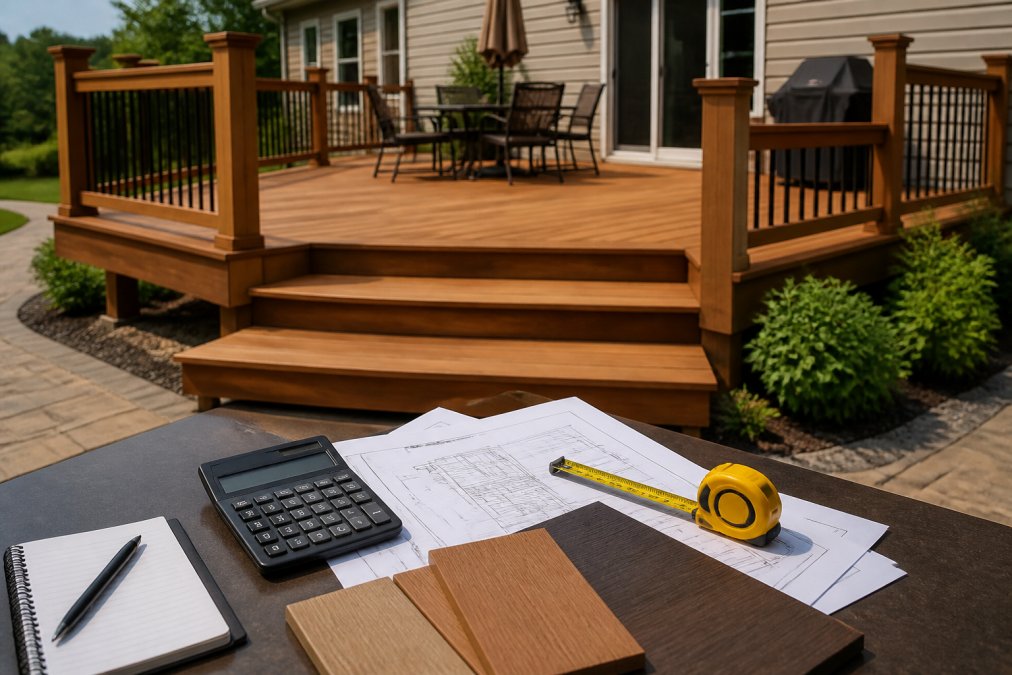
Creating a realistic budget requires understanding all cost categories and building in contingency for unexpected expenses.
Contractor Vetting and Overhead Costs
A qualified contractor carries insurance, maintains licensing, and invests in proper tools and equipment. These overhead costs are legitimate business expenses that get factored into pricing. Contractors who undercut market rates often cut corners on safety, insurance, or quality, risks that cost you later.
Material Longevity and Long-Term ROI
Choosing materials based solely on upfront cost ignores long-term financial reality. A pressure-treated deck costs less initially but requires regular maintenance that composite decking eliminates. Over 20 years, the total cost of ownership, materials plus maintenance, often favors composite despite higher initial expense.
Common Budget Mistakes and How to Avoid Them
Understanding where projects commonly go over budget helps you protect your investment.
| Cost Category | Key Factors | Budget Consideration |
|---|---|---|
| Materials | Wood vs. composite choice | Composite higher upfront, lower maintenance |
| Labor | Complexity, local rates, site conditions | Largest single expense in most projects |
| Foundation | Frost line depth, proper footings | Critical for long-term durability |
| Permits & Inspections | Local jurisdiction requirements | Non-negotiable legal requirement |
| Contingency | Unexpected site conditions | Budget 10-15% for surprises |
Frequently Asked Questions
How much does a 20x20 deck cost to build on average?
A 20x20 deck (400 square feet) typically ranges from $4,000 to $12,000 depending on materials and labor rates. Pressure-treated wood costs less upfront, while composite decking and multi-level designs increase the total investment. Site preparation, permits, and local labor costs significantly affect the final price. Contact J Schick & Sons Decks for a detailed estimate based on your specific yard and design preferences.
What's the difference between wood and composite decking costs?
Pressure-treated lumber has a lower upfront cost but requires regular staining, sealing, and maintenance over its 15-20 year lifespan. Composite decking (like Trex) costs 30-50% more initially but requires minimal maintenance and lasts 25-30 years. When you factor in deck labor costs for maintenance and potential resurfacing, composite often delivers better long-term value. Your choice depends on whether you prioritize lower initial costs or reduced maintenance.
What factors influence the total cost of custom deck installation?
Key cost drivers include deck size and square footage, material selection, design complexity (multi-level vs. simple), site preparation and excavation, concrete piers and footing depth, ledger board installation, railing and baluster styles, permit and inspection fees, and local deck labor cost rates. Zoning regulations and building codes in your area may also require additional structural upgrades. A professional contractor assessment accounts for all these variables.
How do I know if my deck quote is fair?
Request detailed breakdowns showing material costs, deck labor cost per square foot, permit fees, and contractor overhead. Compare quotes from multiple contractors, but prioritize experience and references over the lowest price. Verify that contractors understand local building codes, zoning regulations, and structural requirements like proper footing depth and ledger board installation. Unusually low bids often signal corner-cutting that affects long-term structural integrity and safety.
Should I choose composite decking even though it costs more upfront?
Composite decking's higher initial cost is offset by minimal maintenance needs and longer lifespan (25-30 years vs. 15-20 for wood). You avoid annual staining, sealing, and weatherproofing expenses. Over a 20-year period, composite often costs less total investment when you include maintenance labor. Families with pets or children benefit from composite's durability and safety. J Schick & Sons Decks can help you calculate the long-term ROI of composite versus pressure-treated lumber for your specific situation.
What are hidden costs in deck projects that homeowners miss?
Common overlooked expenses include permit and inspection fees, site excavation and soil removal, concrete pier installation below the frost line, ledger board flashing and waterproofing, railing and baluster additions, foundation reinforcement, and contractor material markup. Zoning regulations may require setback adjustments or additional structural upgrades. Always ask contractors to include a contingency buffer (10-15%) for unexpected site conditions discovered during framing or foundation work.
How much does deck labor cost per square foot typically?
Deck labor cost per square foot depends on design complexity, local wage rates, and site conditions. Simple single-level decks cost less; multi-level designs, stairs, and custom railings increase labor expenses. Your location and contractor experience level also affect rates. Request itemized quotes that separate material costs from deck labor cost estimates so you understand exactly where your budget goes.