 Comparison
Choosing Low Maintenance Composite Deck Materials
Table of Contents
- Why Low Maintenance Composite Decking Matters
- Best Composite Decking for the Money
- Trex vs. TimberTech: Which Performs Better
- Composite Decking Maintenance: What You Actually Need to Do
- Composite Decking Warranty Comparison and Coverage
- Durability, Lifespan, and Real-World Performance
- Making Your Final Selection
- Frequently Asked Questions
Last Updated: October 5, 2026
Why Low Maintenance Composite Decking Matters
Choosing low maintenance composite deck materials is the smart move for homeowners tired of constant upkeep.
Wood decks demand relentless attention: pressure washing, sanding, staining, and replacing boards every few years. A composite deck looks nearly identical to day one, year after year.
The real question is which composite material delivers on the promise. Some fade in sunlight, stain easily, or develop mold in humid climates. The ones that hold up best cost more upfront, but the math works in your favor over time.
Best Composite Decking for the Money
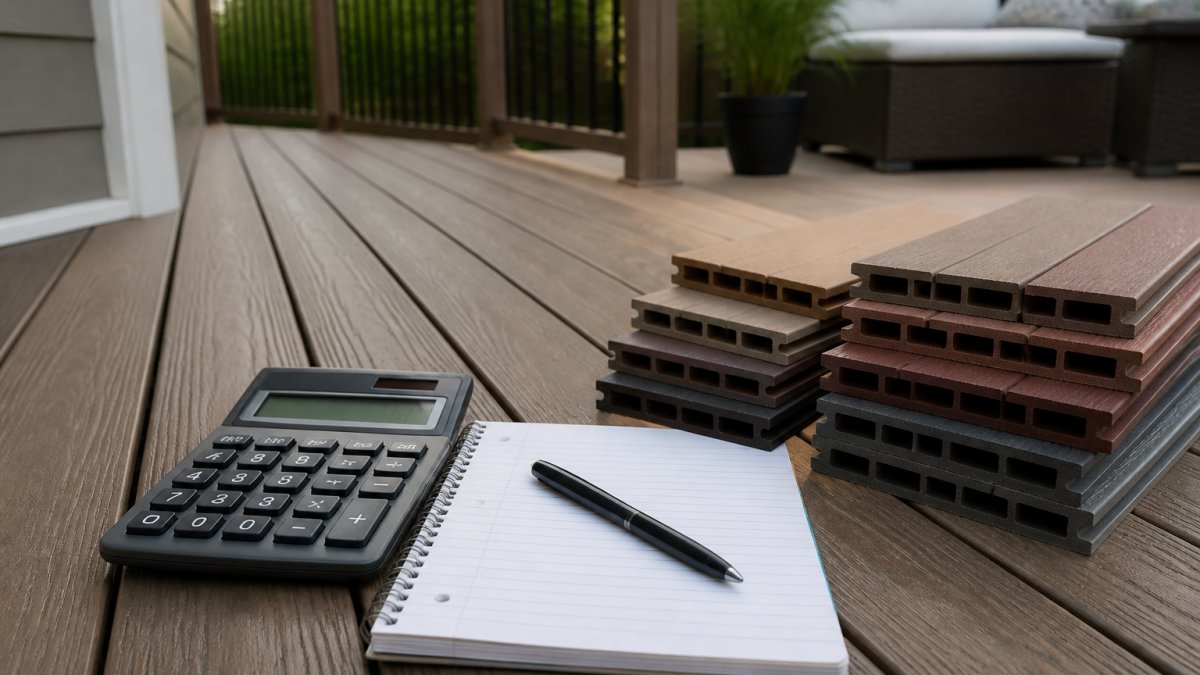
The best composite decking for the money balances durability, appearance, and maintenance requirements without unnecessary premium features.
Trex composite decking offers multiple performance tiers. Entry-level boards cost less but fade faster in direct sunlight and show staining more readily. Mid-tier Trex hits a sweet spot: better UV stability than entry-level without luxury pricing.
TimberTech decking is another solid option. Their boards hold color well and resist mold effectively in humid conditions, with mid-range pricing that's competitive for value-conscious buyers.
Fiberon decking appears consistently in expert-tested roundups as a balanced choice: not the cheapest, not the most expensive, but reliable across performance metrics.
| Material | Best For | Key Consideration |
|---|---|---|
| Trex (mid-tier) | Full-sun decks | Better UV resistance than entry-level |
| TimberTech | Humid climates | Strong mold resistance |
| Fiberon | General-purpose decks | Balanced performance across metrics |
| Envision | Budget-conscious buyers | Lower cost entry point |
The mistake many people make is choosing the cheapest option and expecting premium results. Spend a bit more upfront on mid-tier, and you'll spend significantly less on maintenance and replacement over the deck's lifetime.
Trex vs. TimberTech: Which Performs Better
Trex and TimberTech dominate the composite decking market, and the choice often comes down to your specific situation rather than one being objectively superior.
Trex's strength is variety, with tiers from entry-level to luxury. Higher-tier boards use capped composite construction, wrapping the core in a protective shell that resists moisture, staining, and UV damage.
TimberTech focuses on sustainability and low-maintenance performance. Their boards show strong mold resistance, valuable if your deck sits in shade or heavy moisture, with natural wood tones that age gracefully.
Beyond entry-level, the performance difference narrows: both Trex mid-tier and TimberTech standard deliver 20+ years with minimal maintenance. The distinction emerges in edge cases: full sun favors Trex, humid or shaded conditions favor TimberTech, and Trex wins on budget flexibility.
Composite Decking Maintenance: What You Actually Need to Do
"Low maintenance" is relative, so put real numbers on it. Most composite decks need 30 to 60 minutes of light sweeping per month during deck season, plus one or two deeper washes per year at one to two hours each: roughly 8 to 15 hours of annual labor for a 300- to 400-square-foot deck. A wood deck's sanding, staining, and sealing alone consumes a full weekend every two to three years.
The routine, step by step
- Monthly: Sweep or blow off leaves, pollen, and debris. This prevents organic matter from sitting on the surface and staining it.
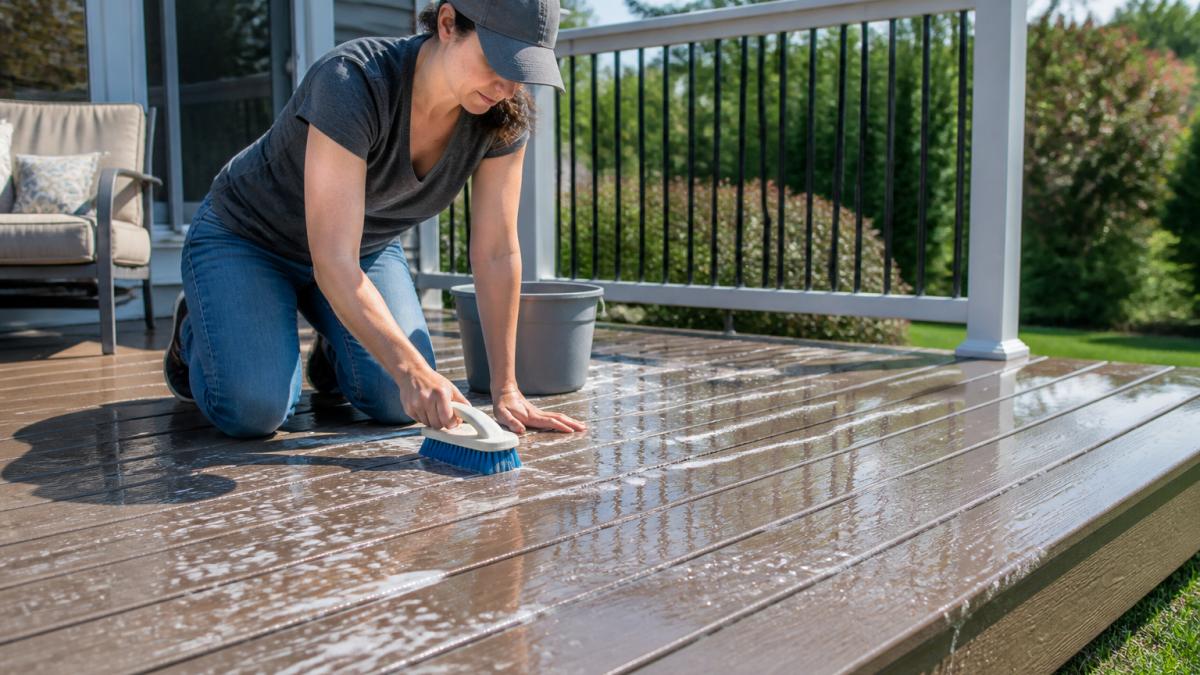
- One to two times per year: Wash with a mild dish soap or composite-specific cleaner diluted in warm water, applied with a soft-bristle brush or a microfiber mop. Rinse with a garden hose.
- As needed: Spot-clean bird droppings, grease, and food spills promptly. The longer they sit, the more they bond to the surface.
Tools to keep on hand: a soft-bristle deck brush, a microfiber mop, a garden hose with a standard nozzle, mild dish soap, and a composite-safe cleaner for stubborn marks. That's the entire kit. No sanders, no stain cans, no sealant applicators.
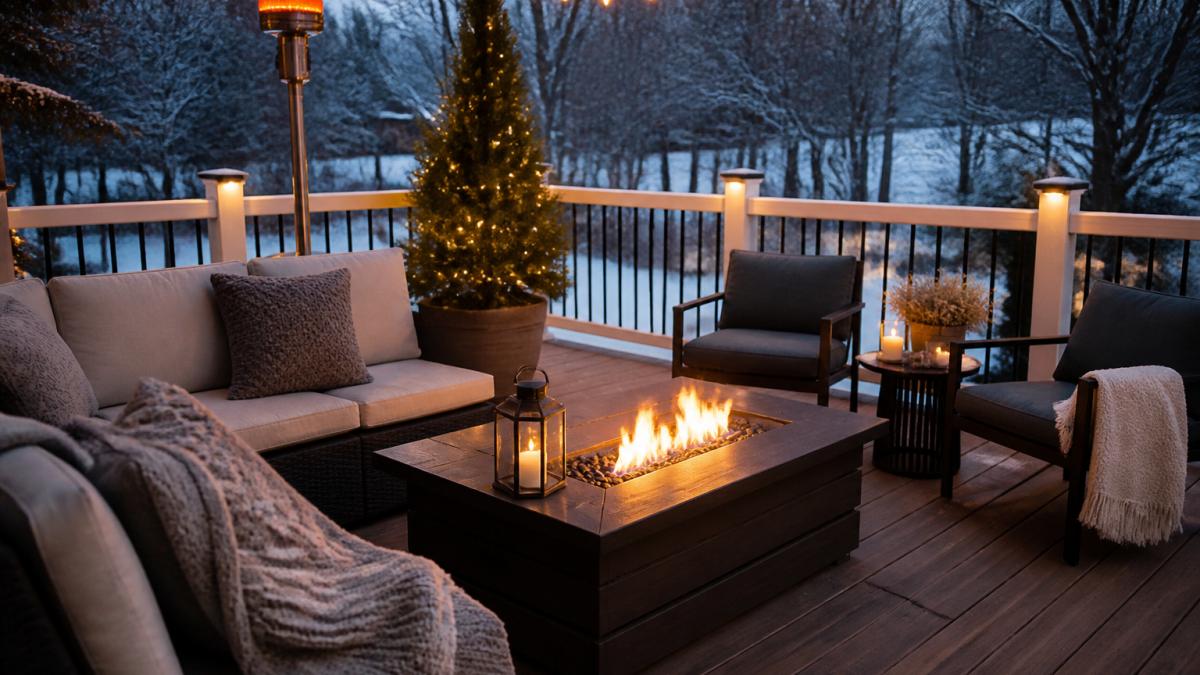
What to avoid. Pressure washers above roughly 1,500 PSI can etch the surface and strip the protective cap on capped boards. Bleach-based cleaners can discolor some composites and void certain warranties. Metal shovels and stiff wire brushes scratch the surface. Snow removal should use a plastic shovel, and ice melt should be the kind labeled safe for composite.
Repairability: the part most guides skip. Scratches, gouges, and individual board replacement are all manageable.
- Light scratches often disappear with a fine abrasive pad rubbed with the grain, then a wipe-down.
- Deeper gouges can sometimes be filled with a color-matched repair kit, then sanded and blended.
- Individual board replacement is possible on most systems. Hidden-clip boards come out by prying the clip from an edge or stair nosing; visible-screw boards are simpler. Keep spare boards from the original run, since dye lots change and later batches may not match.
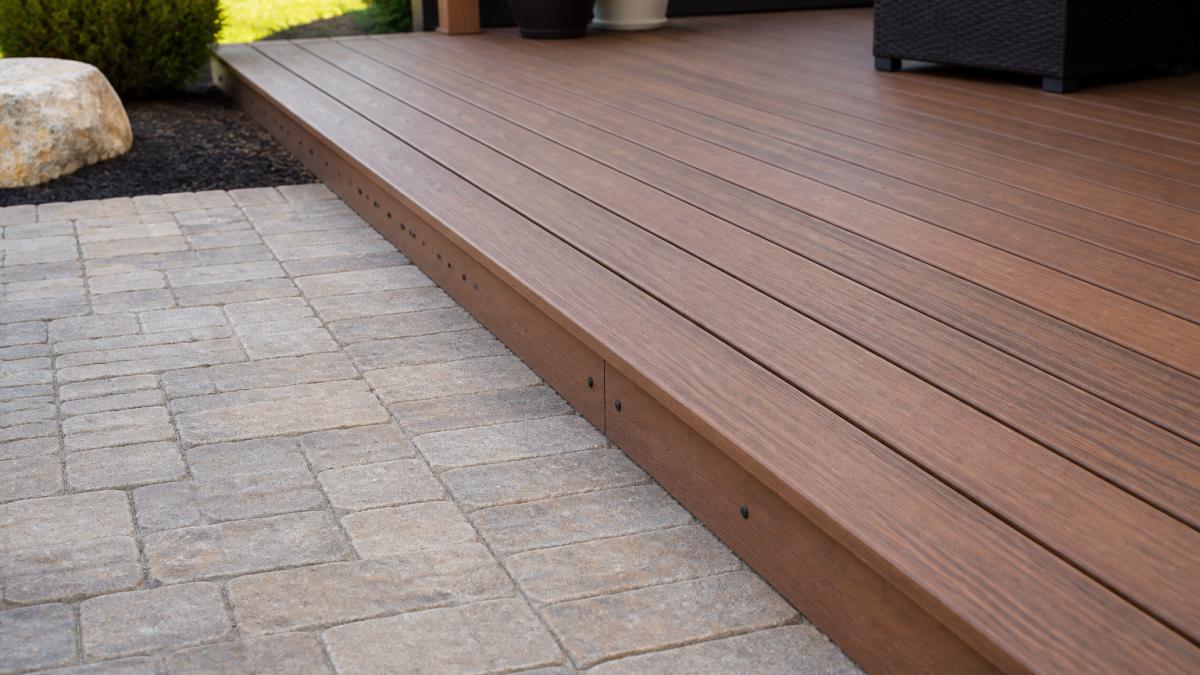
Thermal expansion is a design issue, not a maintenance one. Composite moves more than wood, so proper installation leaves gaps at board ends and along the perimeter to prevent buckling or crowning. Insufficient gaps cause warping no cleaning can fix, which is why installation quality matters as much as material choice.
Mold and mildew. Composite resists mold far better than wood, but shaded or damp areas can still develop a film. A soft brush and mild cleaner handle it; proper drainage and slope prevent most of it.
Composite Decking Warranty Comparison and Coverage
Warranty terms separate serious manufacturers from the rest, reflecting confidence in their product's durability.
Most composite decking warranties cover structural defects, rot, warping, and material failure for 20-30 years. Where they diverge is in what they actually cover and exclude.
Trex's warranty varies by tier: premium lines include longer coverage and broader fade and stain protection, while entry-level carries shorter periods and limited stain coverage.
TimberTech warranties emphasize long-term durability, typically 20+ years for structural integrity with separate provisions for surface appearance. Some manufacturers limit stain warranty to 5-7 years; others extend it for premium products.
Fiberon's warranty falls in the middle range, protecting against material defects and structural failure, with appearance warranties varying by tier.
The critical detail most homeowners miss: warranties often exclude damage from improper installation or maintenance neglect. Improper spacing, drainage, or fastening can void coverage, which is why professional installation is warranty protection.
When comparing warranties, look beyond headline numbers. Ask what stain coverage includes, how long fade protection lasts, and what installation requirements must be met.
Durability, Lifespan, and Real-World Performance
A well-installed composite deck commonly lasts 25 to 30 years with basic cleaning. That assumes material and installation are matched to the site; when either is off, real-world performance diverges from the marketing claim.
Why composite outlasts wood. Wood faces moisture-driven rot, insects, UV degradation, and freeze-thaw splitting. Composite sidesteps most of these because its core doesn't absorb water, support rot, or splinter. It isn't indestructible, it simply fails differently.
Capped vs. uncapped construction. This is the biggest durability variable within composite. Capped boards wrap the core in a protective polymer shell resisting moisture, staining, and UV damage; uncapped boards expose the core. After a decade, a capped deck often looks nearly new while uncapped shows noticeable color shift and wear.
Color retention by tier. Entry-level boards fade measurably within three to five years under full sun; mid-tier and premium capped boards often hold color a decade or more. This is where spending more upfront pays back.
Heat retention, the trade-off nobody mentions. Composite holds heat more than wood, and dark boards in direct summer sun can be uncomfortable on bare feet. Lighter tones and certain formulations run cooler, so if the deck faces full afternoon sun and will be used barefoot, color matters as much as brand.
Impact resistance. Composite dents more easily than wood but resists splitting and splintering. A dropped tool marks composite; it splits wood. For households with kids and dogs, that trade-off favors composite, especially since minor dents can be blended with a repair kit.
Moisture and dimensional stability. Low-quality composites absorb water, causing swelling, mold, and structural problems. Quality capped composites stay dimensionally stable, which is why they hold up in humid and coastal conditions where budget boards fail.
Substructure compatibility. A composite deck is only as good as its frame. Existing wood framing can often be reused if sound and rot-free, but joist spacing and fastening must match the new board's requirements, and the frame must accommodate composite's greater temperature movement.
Thermal expansion and installation. Improper spacing creates stress that warps boards; adequate gaps at board ends and along the perimeter prevent it. This is an installation issue, not a material one, but it drives most "my composite deck warped" complaints.
Making Your Final Selection
Choosing low maintenance composite deck materials comes down to matching your situation to the right tier and manufacturer. Full-sun exposure favors Trex's UV-resistant formulations; humid or shaded conditions favor TimberTech's mold resistance.
Define your budget honestly. Mid-tier composite delivers the best value: better than budget options without premium pricing. Entry-level saves upfront but costs more in maintenance and replacement. Premium makes sense only if appearance retention is your top priority.
Installation quality determines whether your deck performs as promised. Improper spacing, drainage, or fastening creates problems no material can overcome.
Review warranty terms carefully, comparing not just years of coverage but what's included. Stain coverage, fade protection, and structural defects need separate attention, so ask your installer which warranties apply to your product choice.
Finally, think long-term. Your deck will be part of your home for 25+ years, so the initial cost difference matters far less than whether you'll enjoy maintaining it (or not) for that span. A composite deck needing only basic cleaning is the right one.
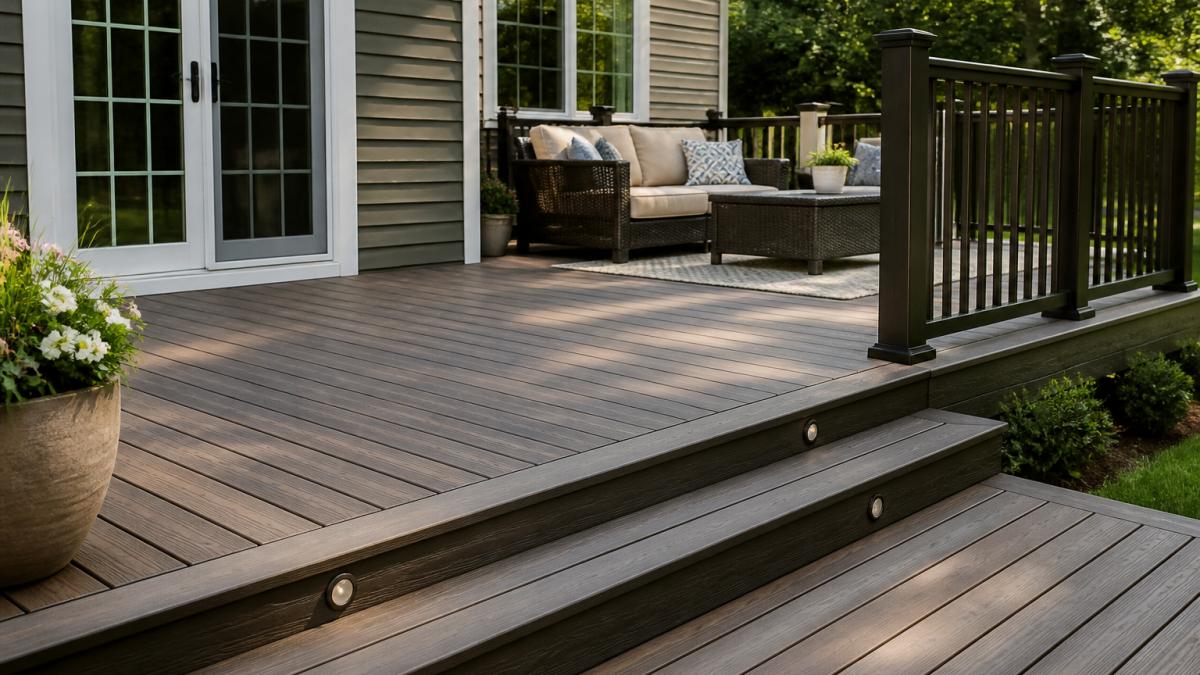
Choosing the right composite decking material transforms your outdoor space into something you'll actually use. The best composite decking for the money isn't the cheapest option, it's the one balancing durability, appearance, and genuine low maintenance in your climate and situation. J Schick & Sons Decks helps homeowners navigate these choices and install decks that perform beautifully for decades. Contact us today to discuss which composite material makes sense for your backyard, and let's build something you'll love.
Frequently Asked Questions
What is the best composite decking material for the money?
The best value depends on your budget and performance expectations. Entry-level composite options offer solid durability at lower cost, while mid-tier brands like Fiberon provide a balance of performance and affordability. Premium brands like Trex and TimberTech cost more upfront but deliver superior color retention and reduced maintenance. Compare warranties and expected lifespan against initial cost to determine long-term ROI for your specific situation.
How long does low maintenance composite decking last?
Quality composite decking typically lasts 25-30 years with proper care. Capped composite boards with polyvinyl chloride protection resist fading, staining, and moisture absorption better than uncapped options, extending their lifespan. Warranty coverage often reflects manufacturer confidence in durability, with many brands offering 25-year warranties. Real-world performance varies based on climate exposure, maintenance frequency, and sun intensity in your area.
Does composite decking fade or peel over time?
Quality composite decking resists fading and peeling better than wood, but some color change occurs with UV exposure. Capped composite with mineral-based or polyvinyl chloride protection provides superior UV stability and color retention compared to uncapped boards. Premium brands invest in fade-resistant formulations that maintain appearance for decades. Regular cleaning and avoiding pressure washing at high pressure helps preserve the surface finish and prevent premature wear.
What maintenance does composite decking require?
Composite decking requires minimal maintenance compared to wood. Annual cleaning with mild soap and water removes dirt and prevents mold growth. Avoid pressure washing above 1,500 PSI to prevent surface damage. Check fasteners and hidden fastener systems occasionally for corrosion. Unlike wood, composite doesn't need staining, sealing, or refinishing. Most homeowners spend just a few hours per year on basic cleaning and inspection.