 How-to
Extend Deck Usability Into Colder Months: A How-To
Table of Contents
- Why Extend Your Deck Into Winter
- Outdoor Heating Solutions for Decks
- Lighting Upgrades for Year-Round Ambiance
- Winter Deck Maintenance Tips
- Deck Safety During Winter
- Smart Design for Zoning and Micro-Climate Control
- Winter-Specific Storage and Furniture Protection
- Frequently Asked Questions
Last Updated: September 30, 2026
Why Extend Your Deck Into Winter
Most homeowners think of their deck as a summer-only space. But with the right approach, you can extend deck usability into colder months and get year-round value from your outdoor living space.
Year-round outdoor living requires three things: thermal comfort, proper lighting, and structural maintenance. Together, these unlock months of additional use and better return on your investment.
Outdoor Heating Solutions for Decks
Patio Heaters and Fire Features
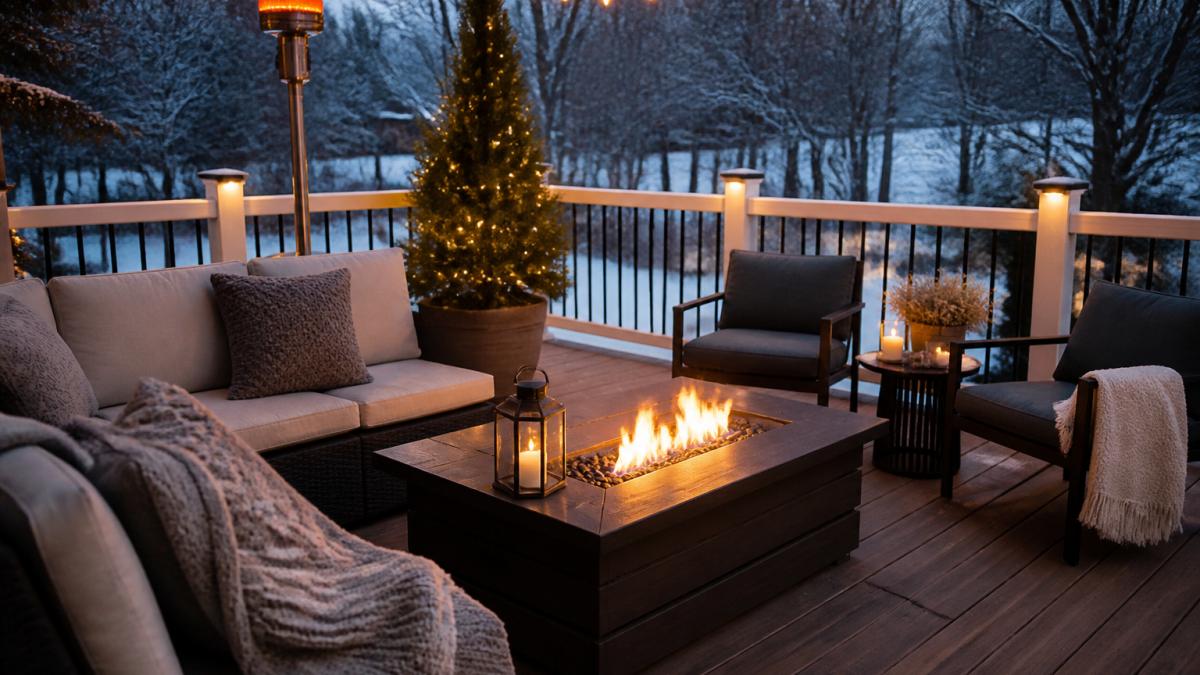
The most direct way to extend deck usability into colder months is adding heat. Patio heaters create zones of warmth that let people stay comfortable in cold air.
Propane patio heaters are the most popular choice. They mount on poles or hang from pergolas and radiate heat in a cone pattern, covering roughly 150 square feet. Position them near seating areas, not empty deck space. Operating costs run $2-$4 per night for 4 hours. Radiant heat performs well in windy conditions, making propane efficient for exposed decks.
Electric heaters are quieter and require no fuel, but need a nearby outlet and draw 1,500-5,000 watts. A 1,500-watt heater costs roughly $1.50-$2.00 per night. They work best in sheltered spaces; on open, windy decks, propane performs better.
Natural gas heaters offer the lowest operating cost ($0.50-$1.00 per evening) but require gas line installation ($500-$2,000). This investment makes sense only for heavy use or if gas is already nearby.
Fire pits and outdoor fireplaces provide heat and ambiance, working best for smaller groups. Wood-burning pits are cheapest ($150-$300 per cord) but produce smoke. Gas-burning fire tables eliminate smoke with instant control, though propane costs match patio heaters.
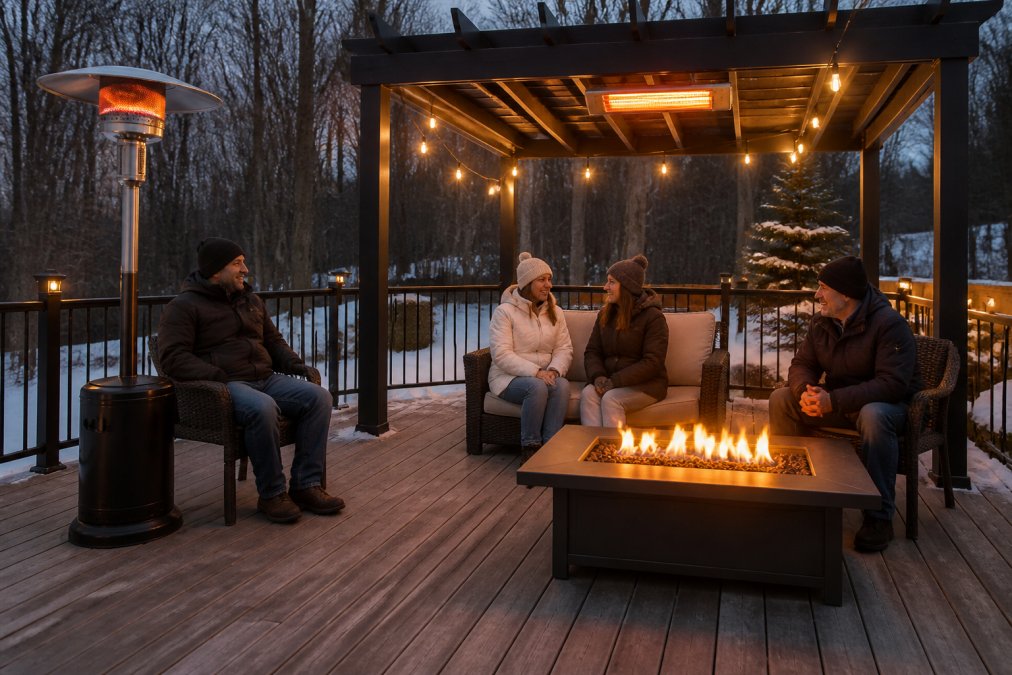
Thermal Comfort Through Layering and Micro-Climate Design
Heat alone isn't enough. Thermal comfort requires layering: radiant warmth plus wind blocking and warm air retention. Strategic design multiplies heating effectiveness.
Wind blocking is the highest-impact design choice. Wind reduces a heater's effective range by 30-50 percent. Windbreaks can make a 40-degree day feel 10-15 degrees warmer without extra heating. Use louvered pergolas, retractable screens, or solid panels on the windward side. Position them to redirect prevailing winds around your seating zone.
Outdoor textiles absorb and retain heat. Weather-resistant blankets, cushions, and rugs trap heater warmth and insulate seating. Dark colors absorb more radiant heat than light colors, increasing perceived warmth by 5-10 degrees.
Pergolas with canvas panels or retractable systems create defined outdoor rooms that trap warm air and reduce wind exposure. A partially enclosed space is often 15-20 degrees warmer than an open deck when a heater runs. Louvered pergolas let you adjust slat angles to maximize passive solar gain on sunny winter afternoons.
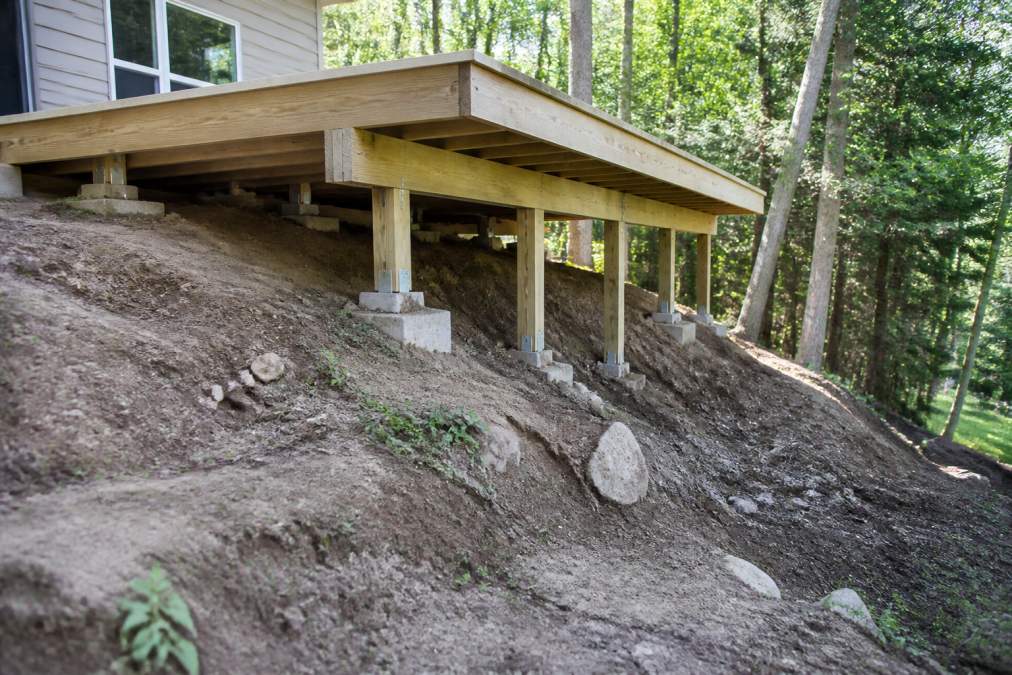
Elevation and deck orientation matter. South- or west-facing decks capture more winter sun. Elevated decks stay warmer than low-lying ones, where cold air pools. Low-spot decks require more heating to match elevated decks' comfort.
Lighting Upgrades for Year-Round Ambiance
Winter days are short, the sun sets by 5 p.m. by December in most regions. Good lighting extends usable hours, creates ambiance, and improves safety by highlighting steps and icy patches.
Layered lighting combines three types of fixtures. Ambient lighting (recessed deck lights or rail-mounted fixtures 4-6 feet apart) provides functional illumination. Task lighting (uplights on trees, downlights on railings) creates visual interest. Accent lighting (string lights, lanterns, pathway lights) establishes intimate atmosphere. This three-layer approach is far more effective than a single overhead light.
String lights are the easiest upgrade for ambiance. Warm LED string lights (2700K) create intimate spaces on open decks. They use minimal power (0.5 watts per bulb) and last 25,000+ hours. Hang in a grid or crisscross pattern for even illumination.
Recessed deck lights and rail-mounted fixtures provide functional illumination. Space them evenly to see steps and railings safely. Low-voltage LED lights (12V) are safer and easier to install. Position lights at a low angle to reduce glare on ice while highlighting texture.
Smart home integration automates lighting. Connected LED systems let you schedule lights, adjust brightness, or control them remotely. Motion sensors trigger pathway lights for safety. Adjust color temperature, warm (2700K) for relaxation, brighter (4000K) for visibility.
Uplighting and accent lighting create visual drama and make the space feel larger. Uplights mounted at the base of trees or architectural features cast light upward, creating depth and drawing the eye outward. Downlights mounted on pergolas or overhead structures cast light downward onto seating areas, defining zones and improving visibility. This layering also eliminates dark corners where hazards hide.
Color temperature matters more in winter. Warm white light (2700K) feels cozier and more inviting on cold evenings. Cool white light (5000K or higher) can feel harsh and institutional. Stick with warm tones for ambiance and relaxation. If you need brighter light for safety on stairs or railings, use a neutral white (4000K) rather than cool white.
Winter Deck Maintenance Tips
Moisture Control and Structural Integrity
Winter moisture is the biggest threat to deck longevity. Snow, ice, and freeze-thaw cycles damage wood and composite materials if you don't manage water properly.
Clear snow and ice regularly. Wet snow is heavy and puts stress on the deck structure. Ice buildup creates slip hazards and traps moisture under the surface. Remove snow within 24 hours of a storm. Use a plastic shovel, not metal, to avoid damaging the deck surface.
Improve drainage by ensuring water runs off, not pools. If your deck has low spots where water collects, you're inviting rot and structural problems. Check gutters and downspouts above the deck. Redirect water away from the deck edge.
Seal gaps and cracks. Even small openings let water seep into the deck structure. Caulk gaps between boards, around railings, and where the deck meets your house. Use a waterproof sealant rated for outdoor use.
Material Durability and Resurfacing
Different deck materials handle winter differently. Understanding your material's weak points helps you protect it.
Pressure-treated wood needs regular sealing. Winter moisture penetrates unsealed wood, causing rot and checking (surface cracks). Reseal every 2-3 years, or more often if your deck gets heavy snow or is in a shaded area where moisture lingers.
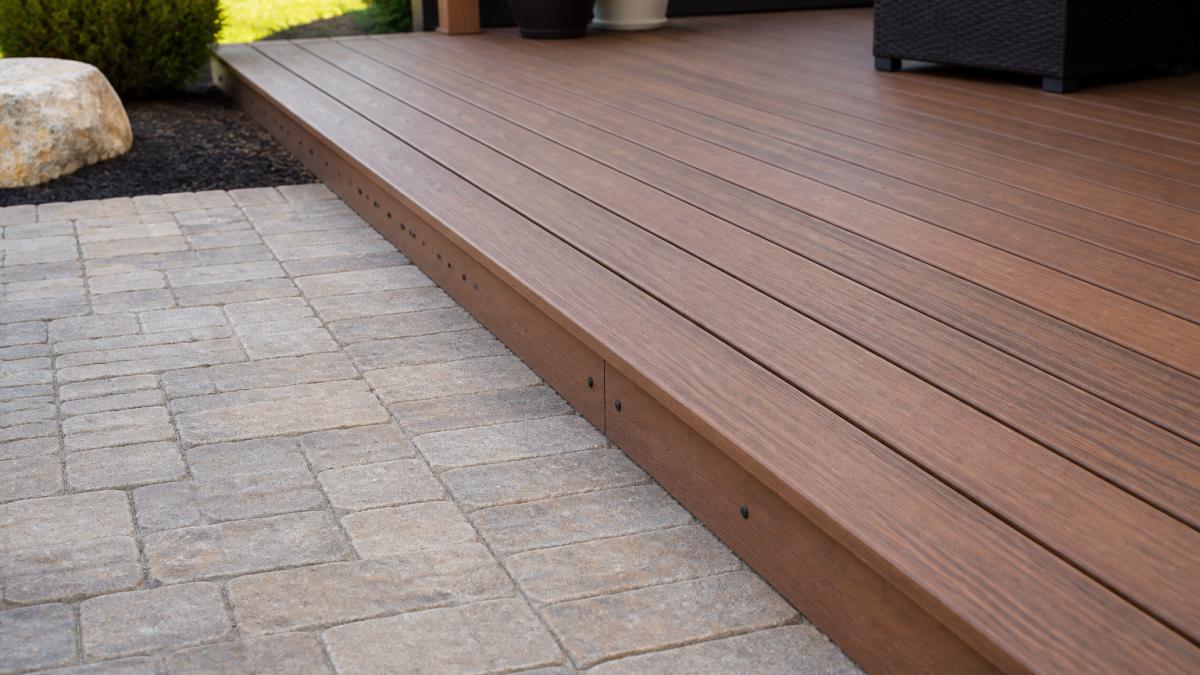
Composite decking resists rot but can be slippery when wet or icy. The surface stays wet longer than wood in winter because it doesn't absorb moisture. This makes composite excellent for winter durability but requires extra attention to slip prevention.
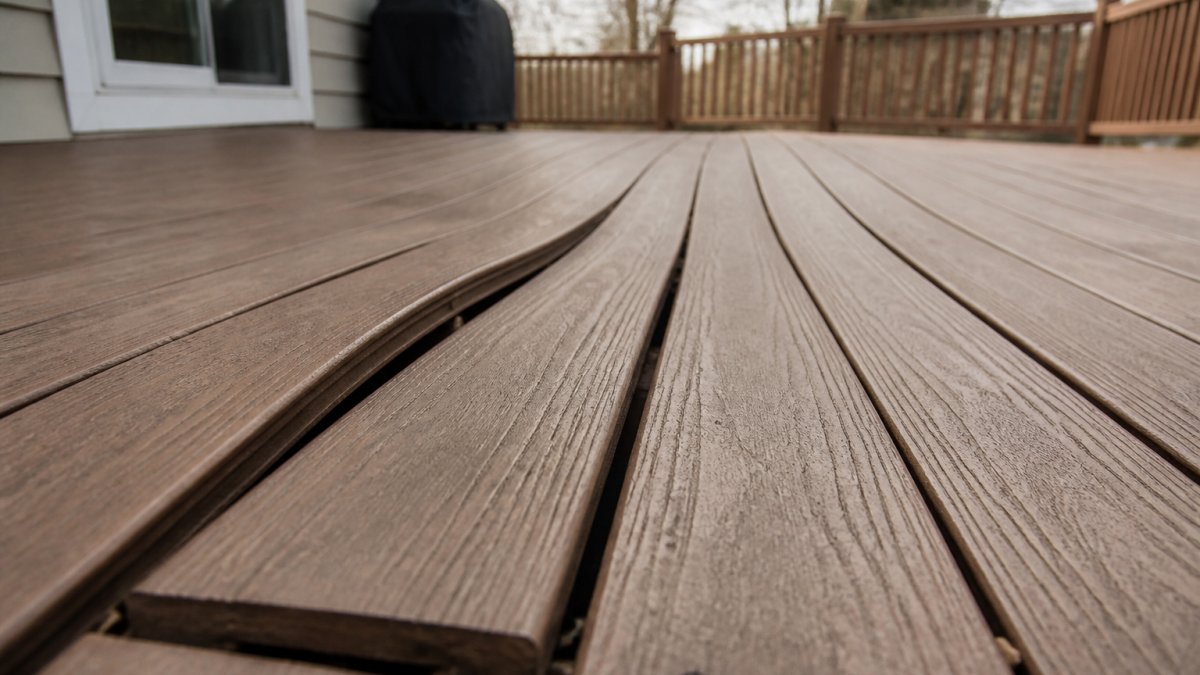
Trex and similar composites hold up well through freeze-thaw cycles. However, dark colors absorb heat and can warp slightly if exposed to intense sun after snow. Light-colored composites perform better in winter conditions.
Check your deck's structural integrity each fall. Look for soft spots in boards, loose fasteners, and deterioration around railings. Addressing small problems before winter prevents major repairs later.
Deck Safety During Winter
Slip Prevention and Surface Treatment
Ice and snow create serious slip hazards. Preventing falls is the top priority when extending deck usability into colder months.
Anti-slip coatings applied to deck surfaces dramatically reduce slip risk. These coatings add texture without looking rough or industrial. They work on both wood and composite materials. Apply them in fall before winter weather arrives.
Textured tape is a quick, temporary fix. Stick adhesive-backed tape on stairs and high-traffic areas. It's not as durable as a coating but works well for one season.
Rock salt and ice melt products clear ice, but some damage deck materials. Avoid pure rock salt on composite decks. Use ice melt products labeled safe for composite or wood. Even better, use a plastic shovel and manual removal to minimize chemical exposure.
Regular maintenance prevents buildup. Sweep off snow and debris daily. This keeps surfaces visible and reduces the weight on the deck structure.
Structural Additions for Weather Protection
Strategic additions protect your deck and make it more comfortable in winter.
Covered patios or pergolas with retractable panels create sheltered zones. These reduce wind exposure and keep snow off seating areas.
Smart Design for Zoning and Micro-Climate Control
The best year-round decks use zoning to create comfortable spaces. Not every part of your deck needs to be equally usable in winter.
Winter-Specific Storage and Furniture Protection
Outdoor furniture and equipment need protection during winter. Proper storage extends their lifespan and keeps your deck clear for seasonal use.
Frequently Asked Questions
How can I keep my deck warm in winter?
Combine multiple strategies to extend deck usability into colder months. Install patio heaters or fire pits for direct warmth, add outdoor textiles like weather-resistant cushions and blankets for thermal comfort, and use enclosed structures such as pergolas with retractable screens or covered patios to block wind. Layering heating methods, radiant heaters, ambient lighting, and protected seating areas, creates micro-climates that make winter deck use comfortable for families and pets.
What winter deck maintenance tips should I follow to prevent damage?
Inspect your deck regularly for moisture accumulation, which causes structural damage and decay. Clear snow and ice promptly to prevent slip hazards and weight stress. For composite decking, use non-corrosive ice melt products. Check fasteners and railings for rust or looseness. Remove standing water and debris that trap moisture against the deck surface. If your deck shows signs of wear, consider resurfacing before winter to protect the structural integrity and extend its lifespan.
How do I improve deck safety during icy conditions?
Deck safety during winter requires both surface treatment and structural measures. Apply slip-resistant coatings or adhesive tape to high-traffic areas. Use pet-safe ice melt products instead of rock salt, which corrodes composite decking and damages wood. Install adequate ambient lighting so users can see hazards after sunset. Ensure railings are secure and meet local building codes. Remove snow buildup regularly, and consider adding weather-resistant barriers like screens or covers to reduce ice formation in protected zones.
Should I cover my deck in winter?
Covering your deck depends on your goals. A temporary cover protects furniture and reduces moisture accumulation on the deck surface itself, extending its lifespan. However, covers can trap moisture underneath if not vented properly, potentially causing damage to composite or wood decking. A better approach is to use structural additions like louvered pergolas or retractable screens that allow airflow while providing weather protection. These solutions also support year-round usability by creating enclosed spaces that shield against wind and precipitation while maintaining thermal comfort.